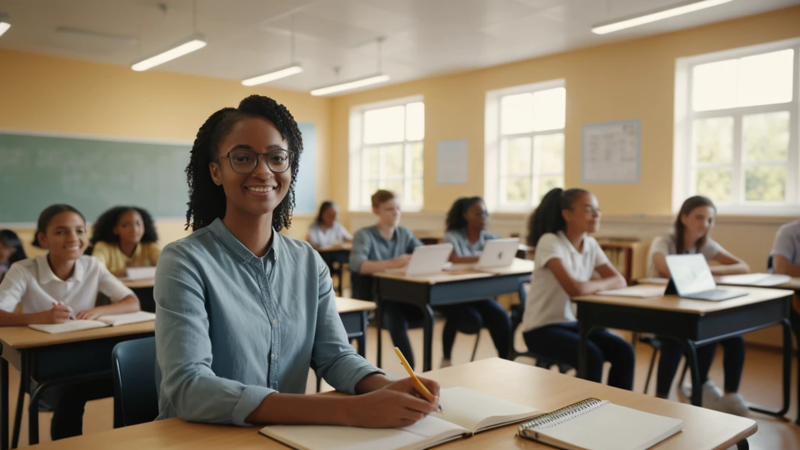
Trends shaping the future of education reveal a powerful shift toward AI, personalized learning, and digital classrooms that redefine how students learn globally.
The future of education is driven by trends like AI-powered learning, hybrid classrooms, lifelong education, and data-driven teaching. These innovations are transforming how students learn, teachers teach, and schools evolve worldwide. 🌍
Trends Shaping The Future Of Education
Have you ever wondered what classrooms will look like in the next decade? 📚 Imagine AI tutors guiding students one-on-one, virtual reality lessons bringing history to life, and learners mastering skills from anywhere in the world. This isn’t a distant dream—it’s happening right now.
The future of education is being shaped by technology, data, and creativity. These trends aren’t just changing where we learn—they’re redefining how and why we learn. Let’s dive into the biggest forces shaping this exciting transformation.
Rise Of Artificial Intelligence (AI) In Education 🤖
AI is revolutionizing classrooms faster than we think. From automated grading to personalized learning recommendations, schools and universities are adopting AI tools to boost efficiency and engagement.
AI helps teachers track student performance and tailor lessons to individual needs. Platforms like ChatGPT and adaptive learning software provide real-time feedback and make learning more interactive than ever before.
In short: AI is no longer a futuristic concept—it’s the new classroom assistant.
Personalized Learning For Every Student 🧠
Every student learns differently—and education systems are finally catching up. Personalized learning tailors content to each learner’s pace, interests, and skills.
This approach empowers students to take ownership of their progress. Adaptive platforms analyze how a student performs and adjust accordingly, ensuring no one is left behind.
✅ Benefits include:
- Improved retention and motivation
- Targeted support for struggling learners
- Encouragement of self-paced study habits
Growth Of Online And Hybrid Learning 💻
The pandemic accelerated online education, but now it’s evolving into something smarter: hybrid learning.
In hybrid models, students combine in-person classes with virtual lessons. This flexibility lets them balance studies, work, and personal life while gaining global access to courses.
Quick comparison:
| Learning Type | Description | Key Benefit |
| Traditional | In-person, structured | Human interaction |
| Online | 100% virtual | Flexibility |
| Hybrid | Mix of both | Best of both worlds |
Virtual Reality (VR) And Augmented Reality (AR) Learning 🌐
What if you could explore the Great Wall of China or dissect a frog—without leaving your room?
VR and AR technologies are making that possible. They turn ordinary lessons into immersive experiences, boosting curiosity and engagement. Students retain more information when they see and interact with it.
Teachers love it too—because complex subjects become easier to explain visually.
Microlearning And Bite-Sized Education 🎯
Long lectures are losing their charm. The modern learner prefers short, focused content that fits into busy schedules.
Microlearning breaks lessons into 5–10 minute modules—perfect for smartphones and tablets. This approach works especially well for corporate training and lifelong learning.
👉 Why it works:
- Easier to digest information
- Boosts retention through repetition
- Great for on-the-go learners
Lifelong Learning Becomes The Norm 🔁
Gone are the days when education stopped after graduation. Today, skills evolve constantly—and so must we.
Lifelong learning encourages adults to keep upgrading their knowledge. Online certifications, workshops, and micro-degrees make it easier than ever.
💡 Fun fact: The fastest-growing demographic in online learning is adults aged 30–50!
Data-Driven Teaching And Analytics 📊
Schools are now using data analytics to enhance teaching strategies. By tracking attendance, grades, and engagement, educators can identify patterns and improve outcomes.
Analytics also predict when students might struggle, allowing early interventions.
| Data Use | Impact |
| Attendance tracking | Identifies at-risk students |
| Performance data | Personalizes learning paths |
| Engagement metrics | Boosts participation |
Emotional Intelligence (EQ) Education ❤️
Education isn’t just about grades anymore. Teachers are focusing on emotional intelligence, empathy, and collaboration.
Students learn to handle stress, build resilience, and work in teams—skills vital for the modern workplace.
After all, emotional skills are just as important as academic ones.
Gamification Of Learning 🎮
Who said learning can’t be fun? Gamification turns lessons into engaging challenges. Points, badges, and leaderboards keep students motivated.
It’s not just for kids—corporate learners and university students love it too.
💬 “Learning feels like playing a game, not a chore.”
Global Collaboration And Cross-Cultural Learning 🌍
The internet has made classrooms borderless. Students can now collaborate with peers worldwide on projects, ideas, and innovations.
Global education fosters cultural understanding and prepares students for international careers. It’s learning beyond boundaries.
Sustainability Education And Green Schools 🌱
As the world faces climate challenges, schools are teaching sustainability early. Students learn about renewable energy, recycling, and eco-conscious living.
Green campuses, paperless systems, and solar-powered facilities are becoming the new normal.
This trend ensures the next generation grows up as environmentally responsible citizens.
Blockchain Credentials And Secure Certifications 🔐
Diplomas are going digital! Blockchain technology is being used to verify academic records securely.
This prevents fraud and makes it easier for employers to validate skills. Students can also share achievements instantly across platforms.
In short: Blockchain brings transparency and trust to the education system.
Teacher Roles Evolving With Tech 👩🏫
Teachers are no longer just lecturers—they’re becoming mentors and facilitators.
With AI handling grading and admin work, educators can focus more on creative instruction and emotional support.
It’s a shift from “sage on the stage” to “guide on the side.” ✨
Accessibility And Inclusion In Learning ♿
Technology is helping make education more inclusive for students with disabilities.
Text-to-speech tools, captions, and adaptive devices are breaking barriers. Schools are now focusing on universal design principles to ensure every learner has equal access.
Inclusion is not a privilege—it’s a right.
Project-Based And Experiential Learning 🔬
Students learn best by doing, not just memorizing. Project-based learning lets them apply theory to real-world problems.
From robotics to social impact projects, this hands-on approach develops creativity, teamwork, and problem-solving skills.
Learning becomes meaningful—and fun!
The Future: Human Creativity Meets Smart Tech 🚀
The future of education lies in balance—technology will handle the repetitive, while humans focus on creativity, empathy, and innovation.
AI will never replace great teachers—it will empower them. Schools of the future will be hubs of innovation, curiosity, and lifelong growth.
| Future Trend | Description | Outcome |
| AI & Human Collaboration | Teachers + Tech | Smarter, personalized learning |
| Global Classrooms | Borderless education | Inclusive knowledge sharing |
| Continuous Learning | Lifelong education | Future-ready workforce |
Conclusion: A Bright Future For Learners Everywhere ✨
Education is no longer confined to classrooms or textbooks. The trends shaping the future of education are unlocking limitless opportunities for students, teachers, and communities worldwide.
From AI-driven personalization to emotional learning and sustainability, the shift is clear—education is becoming more human, flexible, and inspiring.
The future of learning isn’t about technology alone—it’s about people using technology to grow together. 🌍💡
FAQs
- What Are The Biggest Trends In Future Education?
The biggest trends include AI-powered learning, hybrid classrooms, emotional intelligence education, and sustainability-focused teaching methods. - How Will AI Change The Way Students Learn?
AI personalizes lessons, automates grading, and offers instant feedback, allowing students to learn at their own pace efficiently. - Why Is Lifelong Learning Important Today?
Because industries evolve rapidly, lifelong learning ensures professionals stay updated, adaptable, and competitive in the job market. - What Role Does Technology Play In Modern Education?
Technology enhances accessibility, personalizes experiences, and connects global learners, making education more inclusive and flexible. - What Skills Will Be Most Valuable In The Future?
Creativity, critical thinking, emotional intelligence, and digital literacy will be essential for future careers and lifelong success.