
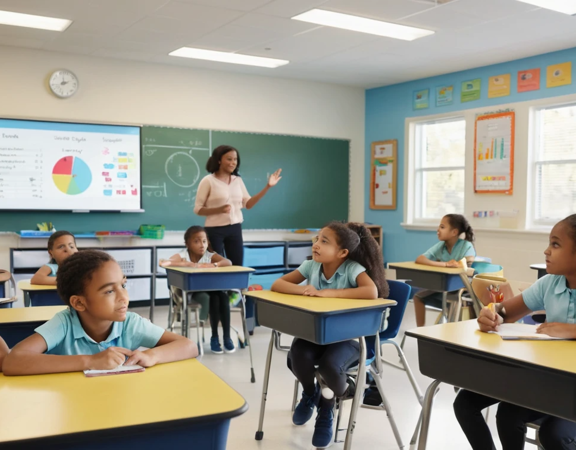
Classroom management tools for teachers that save time, boost focus, and build calm, positive classrooms—simple, practical, and teacher-tested.
Classroom management tools for teachers help control behavior, save time, and improve student focus. These tools include digital apps, behavior trackers, seating planners, and communication systems. Used correctly, they create calmer classrooms, stronger routines, and better learning outcomes for students and teachers alike.
Classroom Management Tools For Teachers 🧠📚
Ever feel like you spend more time managing behavior than teaching? You’re not alone. Every teacher wants a calm, focused classroom where learning flows naturally. The right classroom management tools make that goal realistic, not wishful thinking.
These tools help you organize routines, track behavior, communicate clearly, and reduce stress. They work for elementary, middle, and high school classrooms. Best of all, they give you back your time and energy. 😊
What Classroom Management Tools Really Do 🎯
Classroom management tools support structure, not control. They help students know what’s expected. Clear expectations reduce confusion and misbehavior.
These tools guide daily routines. They track behavior, attendance, and participation. When systems stay consistent, students feel safer and more confident.
Teachers benefit too. You spend less time correcting issues. You spend more time teaching and connecting. That balance changes everything. ✨
Why Teachers Need Better Classroom Systems 🚀
Modern classrooms face real challenges. Short attention spans. Mixed learning levels. Digital distractions everywhere.
Strong systems keep learning on track. They reduce interruptions. They also help teachers stay calm during tough moments.
When students know the rules, they test limits less. Tools make those rules visible and fair. That builds trust over time.
Digital Classroom Management Tools 💻
Digital tools simplify daily tasks. They centralize behavior tracking, attendance, and class updates. Everything lives in one place.
Many tools sync across devices. Teachers update from laptops or phones. Students see expectations in real time.
Here’s what digital tools often handle best:
- Behavior points
- Class timers
- Noise monitoring
- Digital rewards
- Parent updates
Behavior Tracking Tools That Actually Work 📊
Tracking behavior doesn’t mean punishment. It means patterns. Patterns reveal what students need.
Good behavior tools focus on positives. They reward effort and improvement. Students respond better to encouragement than correction.
Look for tools that allow:
- Custom behavior categories
- Daily and weekly reports
- Student self-reflection
- Parent visibility
These features promote growth, not fear. 🌱
Visual Classroom Management Tools 👀
Visual cues help students self-correct. Charts, signals, and color systems speak without words.
Visual tools reduce verbal reminders. That lowers teacher stress and classroom noise. Students stay focused longer.
Common visual tools include:
- Color behavior charts
- Timer displays
- Noise level meters
- Seating maps
Simple visuals create powerful habits.
Classroom Seating And Layout Tools 🪑
Where students sit matters. Seating affects focus, behavior, and collaboration.
Seating tools help plan layouts. They allow quick changes when issues arise. That flexibility keeps lessons moving.
Here’s a helpful comparison:
| Seating Style | Best For | Behavior Impact |
| Rows | Testing, lectures | Low distractions |
| Groups | Projects, teamwork | Higher engagement |
| U-shape | Discussions | Better eye contact |
The right layout reduces behavior issues naturally.
Time Management Tools For Teachers ⏰
Lost minutes add up fast. Time tools protect instructional time.
Timers keep lessons paced. Schedules help students transition smoothly. Predictability lowers anxiety.
Effective time tools include:
- Countdown timers
- Visual schedules
- Task checklists
- Bell reminders
When time stays visible, students stay accountable.
Classroom Noise Control Tools 🔊
Noise disrupts learning. It also raises stress levels. Noise control tools help classrooms stay calm.
These tools show volume levels visually. Students adjust without being called out. That protects dignity.
Teachers love tools that:
- Display noise levels
- Use color alerts
- Work hands-free
Quiet classrooms feel safer and more productive.
Student Engagement Management Tools 🎉
Engaged students misbehave less. Engagement tools turn participation into motivation.
Gamified systems reward effort. Points, badges, and goals excite students. Learning feels interactive, not forced.
Strong engagement tools support:
- Participation tracking
- Group challenges
- Positive reinforcement
- Student choice
Motivation fuels good behavior. 🔥
Communication Tools For Teachers And Parents 📱
Clear communication prevents problems. Parents want updates. Students want clarity.
Communication tools bridge gaps. They share behavior notes, announcements, and reminders instantly.
Here’s what great tools offer:
| Feature | Teacher Benefit | Parent Benefit |
| Messaging | Saves time | Real-time updates |
| Translations | Inclusive | Clear understanding |
| Notifications | Fewer surprises | Trust building |
Transparency builds strong partnerships.
Classroom Rules And Routine Tools 📋
Rules only work when visible. Routine tools reinforce expectations daily.
These tools display rules clearly. They remind students without nagging. Consistency becomes automatic.
Helpful routine tools include:
- Rule posters
- Morning agenda boards
- End-of-day checklists
Routines reduce decision fatigue for everyone.
Classroom Data Tracking Tools 📈
Data helps teachers adjust strategies. Behavior trends tell stories.
Tracking tools show patterns over time. You see what triggers issues. You also see what improves behavior.
Useful data points include:
- Time of day
- Subject area
- Group size
- Individual progress
Data turns guesswork into strategy.
Classroom Management Tools For Different Grades 🎓
One size never fits all. Tools should match student age and maturity.
Younger students need visuals. Older students prefer autonomy. Choose tools wisely.
Here’s a simple guide:
| Grade Level | Best Tool Type | Focus Area |
| Elementary | Visual charts | Routines |
| Middle School | Gamified apps | Motivation |
| High School | Self-monitoring | Responsibility |
Grade-appropriate tools work better long-term.
Free Vs Paid Classroom Management Tools 💰
Free tools help beginners. Paid tools offer depth and automation.
Free options handle basics. Paid tools save time at scale. Both have value.
Consider these factors:
- Class size
- Feature needs
- Time savings
- Support availability
Sometimes one paid tool replaces five free ones.
How To Choose The Right Tools 🧩
Start with your biggest challenge. Is it noise? Transitions? Behavior tracking?
Choose tools that solve one problem well. Avoid overload. Too many tools create confusion.
Ask yourself:
- Is it easy to use?
- Will students understand it?
- Does it save time?
Simple tools get used consistently.
Common Mistakes Teachers Make 🚫
Even good tools fail if used poorly. Consistency matters more than features.
Avoid these mistakes:
- Changing tools too often
- Using tools as punishment
- Ignoring student feedback
- Overcomplicating systems
Tools should support relationships, not replace them.
Building A Positive Classroom Culture 🌈
Tools don’t manage classrooms alone. Teachers do.
Use tools to reinforce kindness. Celebrate effort. Encourage growth. Students mirror what they see.
When tools support positivity, classrooms thrive. Learning becomes joyful again. 💛
Key Takeaways And Final Thoughts ✅
Classroom management tools for teachers simplify routines, reduce stress, and improve learning. The best tools are clear, consistent, and age-appropriate. Start small, stay consistent, and focus on positive behavior. When systems work, teaching feels lighter and more rewarding.
FAQs 🙋♀️🙋♂️
What are the best classroom management tools today?
The best tools match your classroom needs. Look for behavior tracking, communication, and visual support features. Simplicity matters most.
How do classroom tools improve student behavior?
They create clear expectations and routines. Students know what’s expected. That reduces confusion and acting out.
Are digital classroom management tools worth it?
Yes, when they save time and reduce stress. Many tools automate daily tasks. That frees teachers to focus on teaching.
Can classroom management tools work for large classes?
Absolutely. Digital tools scale well. They help track behavior and communication efficiently.
How often should teachers update classroom tools?
Only when needed. Consistency builds trust. Change tools slowly and intentionally.


