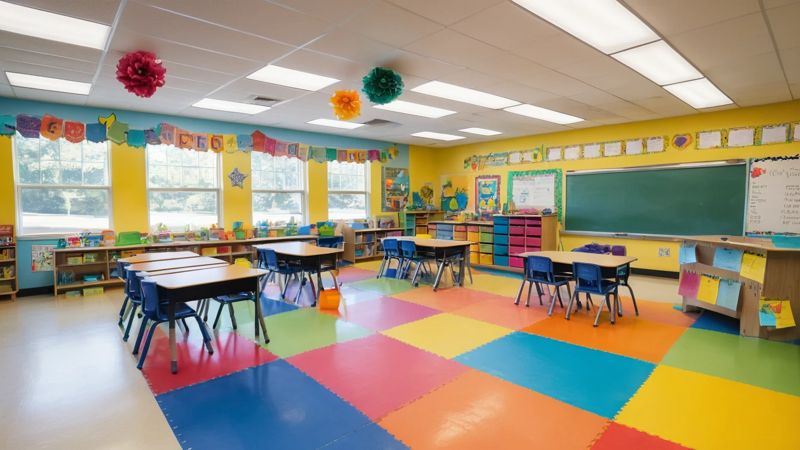
How to teach time to kindergarteners with easy steps, fun activities, and simple visuals that help kids learn faster.
Teaching time to kindergarteners works best with simple steps, hands-on clocks, daily routines, and consistent practice. Start with basic concepts like morning and night, then introduce analog clocks and digital clocks. Use visuals, games, and real-life examples to help time make sense.
How To Teach Time To Kindergarteners
Have you ever wondered why teaching time feels so simple to adults but so confusing for kids? ⏰
Time is actually an abstract idea, so kindergarteners need concrete, friendly steps to understand it.
Teaching time starts with real-life anchors, playful learning, and slow, steady practice. You first explain parts of the day, then introduce clocks, then help them connect numbers with real moments. When you follow a simple structure, kids learn faster—and have fun doing it.
Understanding What Time Really Means For Kids 🧠
Young children think in “now” and “later.” Time is not natural for them yet. So your first goal is to make it more visual. Show how daily routines happen in order.
Kids learn better when they connect events with feelings, so link time to things they enjoy. You can say, “We have snack time at 10:00,” and point to the clock. This helps time feel real.
Kindergarteners also love consistency. So use the same words each day. Morning, afternoon, evening, and night become familiar labels that guide understanding.
Start With Parts Of The Day 🌞🌙
Before you discuss clocks, focus on daily segments. These ideas feel natural to kids.
Explain morning with examples like waking up and brushing teeth. Afternoon feels like lunchtime or recess. Evening might mean dinner or reading time.
Repeat these phrases each day. Kids will slowly link events to the right time of day. Small reminders such as “It’s evening, so time for pajamas” make learning stick. 😊
Use Visual Schedules And Routines 📅
Kindergarteners learn with their eyes. A visual schedule makes time predictable.
You can show pictures of breakfast, school, playtime, and bedtime. Kids love moving markers or pointing to “what’s next.”
A visual routine also builds independence. They start to predict the flow of the day. This sets the foundation for clock reading later.
Daily Routine Examples Table
| Time of Day | Activity | Visual Cue |
| Morning | Wake up, get dressed | Sun icon |
| Afternoon | Lunch, play | Playground image |
| Evening | Dinner, quiet time | Sunset icon |
Introduce The Concept Of Sequencing 🔄
Time moves in order. Kids must learn sequencing before reading clocks.
Use simple activities like arranging picture cards. You can show “first we eat, then we brush teeth, then we read.” Ask them to place events in the correct order.
Sequencing strengthens time awareness. It makes them more confident when moving to clock numbers. Order makes sense before minutes do.
Explain What A Clock Does ⏰
Children should understand why clocks exist before learning how they work.
Tell them a clock helps people know when to start or stop something. Kids love knowing why things matter.
Show both analog and digital clocks. Let them touch or hold a toy clock. A hands-on introduction builds excitement and curiosity.
Teach Analog Clock Parts 🕒
Break down the clock into simple parts.
Explain the numbers go from 1 to 12. Show how the hands point to the numbers. You can say, “The short hand tells the hour. The long hand tells the minutes.”
Use slow demonstrations. Kids learn best when they can follow the movement. Make them move the hands on a teaching clock.
Clock Parts Reference Table
| Clock Part | Description | Kid-Friendly Example |
| Hour Hand | Short hand | “Shows when big things happen.” |
| Minute Hand | Long hand | “Counts the little moves.” |
| Numbers | 1–12 around the edge | “These are like street signs.” |
Start With Hour-Only Time First 🔢
Minutes are confusing for beginners, so teach hours first.
Show the hour hand pointing to a number. Say “This means it’s 3 o’clock.” Keep the minute hand at 12 each time.
Let kids try different numbers. Encourage them to say the hour out loud. This builds confidence and clarity. 🎉
Connect Time To Real Life Moments 🍎
Kids need personal examples to learn quickly.
Show what 7:00 looks like using their routine. You might say, “It’s 7 o’clock. That’s when we eat breakfast.” Tie every hour to something they know.
Real-life scenarios anchor abstract concepts. When kids feel the moment, they grasp the meaning.
Use Fun Games To Make Learning Stick 🎲
Games make time exciting.
Try matching cards where kids pair pictures with clock faces. Play “What time is it, Mr. Wolf?” to build listening and recognition skills.
You can also use puzzles or board games with clocks. Kids learn faster when play feels natural.
Practice With Digital Clocks 💻
Digital clocks feel easier once the hour basics are learned.
Show how digital clocks use two numbers and two dots. Explain that the left numbers show the hour. The right numbers show minutes, but you can introduce those later.
Kids love digital clocks because they look familiar. Many already see them on microwaves, tablets, or TVs.
Analog vs. Digital Comparison Table
| Feature | Analog Clock | Digital Clock |
| Display | Hands and numbers | Numbers only |
| Teaching Focus | Understanding movement | Reading numbers |
| Best For | Early time concepts | Quick recognition |
Use Storybooks And Songs 📚🎵
Music and stories make time feel alive.
Find books that show clocks, routines, or sequences. Kids remember visuals and characters. Songs with counting and rhythm also help them understand the passing of time.
Sing short time-related songs each day. Repetition helps memory, and kids love fun learning moments. 🎶
Introduce Half-Hours Slowly 🕧
Once kids understand hours, teach half-hours.
Explain that when the minute hand points to 6, the clock shows “half past.” Move both hands slowly so they see the motion.
Use simple terms like “half past 2” or “2:30.” Only add more examples when they show comfort.
Practice With Classroom And Home Activities 🏠🏫
Time becomes familiar through repetition.
Use morning meetings to show the day’s time. Let kids take turns setting the clock for a class activity. At home, parents can ask them to read simple hours on a clock.
Consistent small challenges build long-term mastery. Tiny daily moments matter.
Use Timers To Build Real Awareness ⏳
Timers help kids feel how long time lasts.
Use a sand timer for short tasks. They can watch the sand fall and understand the idea of waiting. Kids also enjoy countdown timers during cleanup or games.
Timers reinforce patience and predictability. They teach kids that time moves, even when they don’t see it.
Introduce Minutes Last (Keep It Light) ⏱️
Minutes are small units, so teach them gently.
Explain that the minute hand moves one tiny space at a time. Show how five spaces equal five minutes. But only move forward if kids seem comfortable.
You don’t need full minute mastery in kindergarten. Exposure is enough.
Celebrate Progress And Keep It Fun 🎉
Kids feel proud when they understand time.
Celebrate small wins like recognizing an hour or pointing to morning on a chart. Use praise and stickers to motivate them.
Make time learning a joyful journey. A positive experience builds confidence and curiosity. 🌈
Conclusion
Teaching time to kindergarteners works best when you move in small, friendly steps. Start with daily routines, sequencing, and visuals. Introduce clocks slowly, beginning with hours and real-life examples. Use games, songs, and hands-on tools to make learning fun. When kids feel confident, they learn faster and enjoy the process.
FAQs
How do I start teaching time to kids?
Begin with daily routines and parts of the day. Kids learn time better when it connects to real activities they know. Slowly introduce clocks after routines feel familiar.
What is the best way to teach hours?
Use an analog clock with the minute hand on 12. Show several examples and let kids move the hour hand themselves. Practice with real-life times.
How can I make time lessons fun?
Use games, timers, songs, and storybooks. Kids love hands-on learning that feels playful. Fun boosts memory and confidence.
When should kids learn half hours?
Teach half hours after they understand full hours. Use simple phrases like “half past 3.” Keep examples clear and slow.
Why do kids struggle with time?
Time is abstract, so kids need visuals and routines. Break concepts into simple steps and repeat often. Real-life examples help the most.