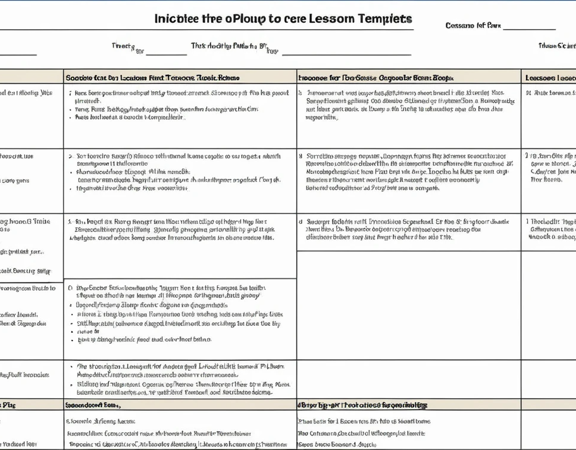
Free lesson plan templates for teachers that save time, improve classroom planning, and help create engaging lessons with ease.
Need a faster way to plan lessons without feeling overwhelmed every week? Free lesson plan templates help teachers stay organized, save time, and create engaging classroom experiences. These ready-to-use templates simplify planning for daily, weekly, and long-term instruction while keeping learning goals clear and easy to follow.
Free Lesson Plan Templates For Teachers
Need a faster way to plan lessons without feeling overwhelmed every week? Free lesson plan templates help teachers stay organized, save time, and create engaging classroom experiences. These ready-to-use templates simplify planning for daily, weekly, and long-term instruction while keeping learning goals clear and easy to follow.
Have you ever spent more time designing a lesson plan than actually teaching the lesson? Many teachers struggle with planning because it takes hours to organize objectives, activities, assessments, and classroom materials. The good news is that free lesson plan templates can make the entire process easier and less stressful. ✏️
Whether you teach kindergarten, middle school, or high school, a strong lesson plan template helps you stay focused and prepared. It also creates a smoother learning experience for students. The best part is that many templates are editable, printable, and designed for different teaching styles.
📚 Why Free Lesson Plan Templates Matter
Teaching involves much more than standing in front of a classroom. Teachers juggle grading, communication, classroom management, and student engagement every single day. A lesson plan template helps reduce planning fatigue by giving educators a clear structure to follow. Instead of starting from scratch, teachers can simply customize sections based on their lesson goals.
Using templates also creates consistency across lessons. Students benefit from organized instruction because they know what to expect during class. This can improve classroom behavior and increase participation. Teachers often notice smoother transitions and better time management when lessons follow a planned format.
Another major benefit is flexibility. Many free templates work for different subjects and grade levels. Some are designed for digital classrooms, while others are ideal for printed binders. Teachers can choose layouts that match their teaching style and classroom needs. 😊
📝 What A Good Lesson Plan Template Should Include
A strong lesson plan template should be simple, organized, and easy to edit. It should guide teachers through the planning process without feeling cluttered or confusing. The best templates focus on clarity and classroom efficiency.
Most effective templates include these important sections:
- Lesson objective
- Materials needed
- Warm-up activity
- Instruction steps
- Student activities
- Assessment method
- Homework or extension work
- Reflection notes
These sections help teachers stay focused during instruction. They also make it easier to review lessons later and improve future teaching strategies.
| Essential Section | Purpose |
| Lesson Objective | Defines learning goals |
| Activities | Keeps students engaged |
| Assessment | Measures understanding |
| Reflection Notes | Helps improve future lessons |
Templates with extra space for notes can be especially helpful during busy teaching weeks. Teachers often need room for reminders, classroom adjustments, or student observations.
🍎 Different Types Of Lesson Plan Templates
Not all lesson plans look the same. Teachers use different formats depending on their classroom structure and teaching goals. Choosing the right template can make planning feel much more manageable.
Daily lesson plan templates focus on one class period or subject. These templates are perfect for teachers who prefer detailed planning. Weekly lesson plans offer a broader overview and help teachers map out assignments and learning objectives across several days.
Unit plan templates organize larger topics over weeks or months. These are especially useful for project-based learning or curriculum mapping. Some teachers also use digital lesson planning templates that sync with online teaching tools and calendars.
Here are some popular template styles teachers love:
- Daily lesson planners
- Weekly lesson planners
- Unit planning templates
- Preschool lesson plans
- Homeschool lesson planners
- Digital classroom templates
Each type serves a different purpose, so teachers should choose one based on their classroom needs and workload.
✨ Benefits Of Using Editable Templates
Editable lesson plan templates give teachers more control and flexibility. Instead of rewriting the same information repeatedly, educators can quickly update dates, activities, or objectives. This saves valuable planning time every week.
Digital templates also help teachers stay organized. Many can be stored online, shared with administrators, or accessed from different devices. Teachers working in hybrid or remote learning environments often rely heavily on editable lesson planning systems.
Another advantage is personalization. Every classroom is unique, and editable templates allow teachers to adapt lessons for different student needs. This supports differentiated instruction and makes learning more inclusive.
“Smart planning creates confident teaching.” 🍏
Teachers who use editable templates often feel less stressed and more prepared. Planning becomes smoother because the structure is already in place.
🎯 How Lesson Plan Templates Improve Student Learning
Students perform better when lessons are organized and easy to follow. A well-planned lesson creates smoother instruction and keeps students focused throughout class. Templates help teachers maintain a logical flow during instruction.
Clear objectives also improve student understanding. When students know the lesson goal, they become more engaged in activities and discussions. This creates a stronger learning environment and encourages participation.
Templates also support better classroom pacing. Teachers can estimate activity timing more accurately and avoid rushed instruction. Balanced pacing improves retention and reduces classroom confusion.
| Classroom Benefit | Student Impact |
| Organized Lessons | Better focus |
| Clear Objectives | Higher engagement |
| Structured Activities | Improved participation |
| Reflection Notes | Stronger future lessons |
Consistency matters in education. Students often feel more comfortable and confident when classroom routines remain predictable.
📖 Best Features To Look For In Free Templates
Not every free template offers the same quality. Some are too basic, while others feel overly complicated. Teachers should focus on practical features that improve planning efficiency.
Look for templates with clean layouts and readable fonts. A cluttered design can make planning stressful instead of helpful. Templates should also include enough writing space for notes and activity details.
Helpful features include:
- Editable text fields
- Printable formatting
- Subject-specific sections
- Time management blocks
- Assessment tracking
- Reflection areas
Color-coded templates can also improve organization. Many teachers prefer layouts that separate objectives, activities, and assessments visually.
Another great feature is compatibility with Google Docs or Microsoft Word. This allows quick editing and easy sharing with coworkers or administrators.
🧠 Lesson Planning Tips For Busy Teachers
Even with templates, lesson planning can feel overwhelming during busy school weeks. A few smart strategies can make the process faster and easier.
Start by planning around learning objectives. Focus on what students should know or achieve by the end of class. This helps eliminate unnecessary activities and keeps lessons focused.
Batch planning can also save time. Many teachers plan an entire week at once instead of creating lessons daily. This creates better consistency and reduces last-minute stress.
Here are helpful lesson planning habits:
- Reuse successful activities
- Keep a digital resource folder
- Plan assessments early
- Leave room for flexibility
- Add transition activities
Teachers should also remember that not every lesson needs to be perfect. Flexibility is part of effective teaching. 😊
🏫 Free Templates For Elementary School Teachers
Elementary teachers often teach multiple subjects every day. This makes organization extremely important. Free elementary lesson plan templates help educators balance reading, math, science, and classroom routines efficiently.
Younger students also need more structured activities and transitions. Templates designed for elementary classrooms often include sections for hands-on learning, group work, and movement breaks.
Many elementary templates feature colorful layouts that make planning feel more engaging. Teachers can also use templates for classroom centers, reading groups, and differentiated instruction.
Popular sections in elementary templates include:
- Morning meeting activities
- Learning centers
- Small group instruction
- Classroom behavior notes
- Parent communication reminders
Elementary classrooms move quickly, so detailed planning helps teachers stay prepared and calm throughout the day.
🎓 Lesson Plan Templates For Middle And High School
Secondary teachers often manage multiple class periods and larger student groups. Lesson plan templates help organize curriculum standards, assignments, and classroom objectives efficiently.
Middle and high school templates usually focus more on academic goals and assessments. Teachers may include discussion questions, lecture notes, and project timelines within their plans.
These templates are especially helpful for subject-specific instruction like:
- English language arts
- Science labs
- Social studies discussions
- Math problem-solving
- Career and technical education
Digital planning templates are popular in secondary education because they simplify long-term curriculum organization. Teachers can quickly update lessons across multiple class sections.
💻 Digital Vs Printable Lesson Plan Templates
Some teachers prefer printed lesson planners, while others rely entirely on digital tools. Both options offer unique advantages depending on teaching style and classroom setup.
Printable templates provide a hands-on planning experience. Many teachers enjoy writing notes manually and organizing lesson plans inside binders. Printed planners can also be easier to access during class.
Digital templates offer faster editing and better organization. They work well for online learning environments and collaborative teaching teams. Teachers can duplicate lessons, store files, and access plans from anywhere.
| Template Type | Main Advantage |
| Printable | Easy handwritten notes |
| Digital | Faster editing and sharing |
| Hybrid | Combines flexibility and structure |
Choosing between digital and printable templates often comes down to personal preference and school technology access.
🌟 How Templates Support Classroom Organization
Organization affects every part of teaching. A messy planning system can increase stress and create classroom confusion. Lesson plan templates help teachers stay on track and reduce forgotten tasks.
Templates create predictable teaching routines. Teachers can quickly review upcoming lessons and prepare materials ahead of time. This improves confidence and classroom flow.
Organized planning also helps during substitute teaching situations. Clear lesson templates make it easier for substitute teachers to follow instructions and maintain classroom consistency.
Teachers who stay organized often experience:
- Less planning stress
- Better time management
- Smoother classroom routines
- Stronger lesson delivery
- Improved work-life balance
Small organizational tools can create a huge difference over time. 📘
📅 Weekly Planning Templates Save Time
Weekly lesson plan templates are incredibly popular because they provide a complete classroom overview. Teachers can map out activities, assessments, and learning goals for the entire week in one place.
This broader view helps educators spot scheduling conflicts early. It also supports stronger pacing and curriculum alignment. Weekly templates make it easier to balance instruction and review activities.
Teachers often use weekly templates for:
- Homework planning
- Test scheduling
- Group projects
- Reading assignments
- Classroom events
Planning weekly instead of daily also reduces repetitive work. Many teachers find this approach more efficient and less mentally exhausting.
🍏 Customizing Templates For Different Subjects
Every subject requires a slightly different planning approach. A science lesson may include experiments, while an English lesson focuses on discussion and reading activities. Templates should support these unique classroom needs.
Math teachers often need sections for guided practice and independent problem-solving. Language arts teachers may prioritize reading objectives and writing prompts. Social studies educators often include discussion questions and historical analysis tasks.
Subject-specific customization can improve teaching clarity and student engagement. Teachers should adjust templates to match their classroom priorities rather than forcing lessons into a generic format.
Helpful customization ideas include:
- Color coding by subject
- Subject-specific activity boxes
- Extra assessment notes
- Technology integration sections
The more useful the template feels, the more likely teachers are to stick with it long-term.
📚 Common Mistakes Teachers Make When Planning
Even experienced teachers sometimes overcomplicate lesson planning. One common mistake is adding too many activities into one class period. This often creates rushed instruction and unnecessary stress.
Another issue is forgetting flexibility. Classroom schedules change constantly, so lesson plans should allow room for adjustments. Teachers who plan every minute too tightly may feel frustrated when interruptions happen.
Some teachers also skip reflection notes. Reviewing lessons afterward helps improve future instruction and identify what worked best.
Avoid these common planning mistakes:
- Overloading activities
- Ignoring pacing
- Forgetting student engagement
- Skipping assessments
- Planning without flexibility
Good planning should support teaching, not create extra pressure.
🎨 Creative Ways To Use Lesson Plan Templates
Lesson plan templates are more versatile than many teachers realize. They can support creative classroom projects, collaboration, and long-term academic goals.
Some teachers use templates for project-based learning units. Others adapt them for tutoring sessions, homeschool instruction, or after-school programs. Templates can also help organize seasonal classroom themes and special events.
Collaborative planning is another great strategy. Teaching teams can share template formats and coordinate lessons more effectively. This improves consistency across grade levels and subjects.
Creative uses include:
- STEM project planning
- Reading intervention tracking
- Classroom event organization
- Group activity scheduling
- Student-led learning projects
A flexible template can become one of the most valuable tools in a teacher’s daily routine. ✨
🏆 Why Teachers Love Free Planning Resources
Teaching supplies and classroom resources can become expensive quickly. Free lesson plan templates help educators save money while still staying organized and productive.
Teachers appreciate resources that reduce workload without sacrificing quality. Free templates offer a practical solution for both new and experienced educators.
Many teachers also enjoy testing different template styles before committing to one planning system. Since the templates are free, there is no pressure to stick with a format that does not work well.
Benefits teachers value most include:
- Time savings
- Reduced stress
- Better organization
- Easier lesson tracking
- Flexible classroom planning
Simple tools often create the biggest classroom improvements.
✅ Conclusion
Free lesson plan templates for teachers make classroom planning easier, faster, and more organized. They help educators structure lessons clearly while reducing stress and saving valuable time. Whether you prefer printable planners or digital formats, the right template can improve both teaching efficiency and student engagement.
The best lesson plan templates support flexibility, organization, and creativity. They simplify daily routines and help teachers focus more on student learning instead of paperwork. With so many free options available, every teacher can find a planning system that fits their classroom style and teaching goals. 🍎
❓FAQs
What Are Free Weekly Lesson Plan Templates?
Free weekly lesson plan templates help teachers organize an entire week of instruction in one layout. They improve scheduling and classroom pacing. Many teachers use them for assignments, assessments, and activity planning.
Can Teachers Edit Printable Lesson Templates?
Yes, many printable templates are editable using programs like Word or Google Docs. Teachers can customize objectives, activities, and schedules easily. This makes planning faster and more flexible.
Are Digital Lesson Plan Templates Better?
Digital templates work well for organization and online teaching. They allow easy editing, sharing, and storage. However, some teachers still prefer printable versions for handwritten notes.
How Do Lesson Templates Save Time?
Templates reduce repetitive planning work by providing a ready-made structure. Teachers only need to update lesson details instead of creating new layouts daily. This speeds up preparation significantly.
Which Lesson Plan Format Works Best?
The best format depends on teaching style and classroom needs. Some teachers prefer detailed daily plans, while others like weekly overviews. Flexible templates usually work best for most educators.