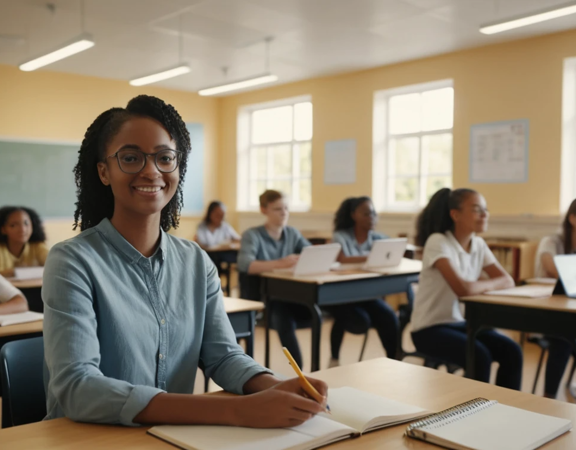
Effective feedback strategies for teachers that boost student growth, engagement, and confidence with simple, practical classroom techniques.
Effective feedback strategies for teachers focus on giving clear, timely, and actionable responses that help students improve. When feedback is specific, supportive, and easy to apply, it boosts confidence, strengthens learning, and drives better academic results.
Effective Feedback Strategies For Teachers That Truly Work
Ever wondered why some students improve quickly while others stay stuck—even after getting feedback?
The difference often lies in how feedback is delivered. Effective feedback is not just about correcting mistakes. It’s about guiding students forward with clarity, encouragement, and purpose. When done right, it becomes one of the most powerful tools in your teaching toolkit.
Why Feedback Matters In The Classroom 🎯
Feedback shapes how students learn and grow. It tells them what they’re doing right and what needs improvement. Without it, students may feel lost or unsure about their progress.
Good feedback builds confidence and motivation. It helps students take ownership of their learning. When feedback is clear and supportive, students are more likely to stay engaged and try harder.
Understanding The Purpose Of Feedback
Feedback is not just about grades. Its real purpose is to improve learning. Students need guidance, not just evaluation.
When teachers focus on growth, students feel safe to make mistakes. This creates a positive learning environment. Over time, students become more independent learners.
Types Of Feedback Every Teacher Should Use
There are several types of feedback that work best in classrooms. Each serves a unique purpose.
- Positive feedback: Reinforces good work
- Constructive feedback: Suggests improvements
- Corrective feedback: Fixes errors
- Formative feedback: Guides ongoing learning
Using a mix keeps your teaching balanced and effective.
The Power Of Timely Feedback ⏱️
Timing is everything. Feedback should be given as soon as possible after a task.
Delayed feedback loses its impact. Students may forget what they did or lose interest. Immediate feedback helps them connect their actions with results.
Quick responses also show students that their work matters. This builds trust and respect in the classroom.
How To Make Feedback Specific And Clear
Vague comments like “good job” or “needs improvement” are not helpful. Students need details.
Instead, try saying:
- “Your introduction clearly explains the topic.”
- “Add more examples to support your argument.”
Specific feedback gives students direction. It tells them exactly what to do next.
Using Positive Language To Motivate Students 😊
Words matter more than we think. Positive language can inspire students to improve.
Instead of saying “This is wrong,” say “Let’s try another way.” This keeps the tone supportive. Students feel encouraged rather than criticized.
A positive tone builds a growth mindset. It helps students believe they can improve with effort.
Balancing Praise And Constructive Feedback
Too much praise can feel empty. Too much criticism can feel discouraging. Balance is key.
Start with something positive. Then suggest improvements. End with encouragement.
This method keeps students motivated while still guiding them forward.
Feedback Methods And Their Impact
| Feedback Method | Best Use Case | Student Impact |
| Verbal Feedback | Quick corrections | Immediate clarity |
| Written Feedback | Detailed tasks | Deep understanding |
| Peer Feedback | Group work | Collaboration skills |
| Self-Assessment | Reflection tasks | Independent learning |
Each method serves a different purpose. Using them together creates a well-rounded approach.
Encouraging Student Reflection 🧠
Reflection helps students think about their own learning. It makes feedback more meaningful.
Ask questions like:
- “What did you learn from this?”
- “What would you do differently next time?”
Reflection turns feedback into action. It helps students grow beyond the classroom.
Using Rubrics For Consistent Feedback
Rubrics provide clear expectations. They help both teachers and students stay on track.
With rubrics, students know what success looks like. This reduces confusion and improves performance.
Teachers also benefit from consistency. It makes grading faster and more fair.
Personalized Feedback For Better Results
Every student learns differently. Personalized feedback addresses individual needs.
Instead of giving the same comment to everyone, tailor your response. Focus on each student’s strengths and weaknesses.
This makes feedback more meaningful. Students feel seen and supported.
Leveraging Technology For Feedback 💻
Technology can make feedback faster and more engaging. Tools like learning platforms and apps help streamline the process.
You can:
- Record voice feedback
- Use digital comments
- Track progress over time
Students often respond well to digital tools. It makes learning more interactive and fun.
Common Feedback Mistakes To Avoid 🚫
Even experienced teachers make mistakes. Being aware helps you improve.
Avoid:
- Giving vague comments
- Overloading students with too much feedback
- Focusing only on mistakes
- Ignoring student responses
Simple changes can make your feedback much more effective.
Creating A Feedback-Friendly Classroom
Students should feel safe receiving feedback. This requires a supportive environment.
Encourage open communication. Let students ask questions and share thoughts. Normalize mistakes as part of learning.
A safe space leads to better engagement and growth.
Feedback Strategies For Different Age Groups
| Age Group | Best Strategy | Example |
| Elementary | Simple and visual | Stickers, short comments |
| Middle School | Guided feedback | Step-by-step suggestions |
| High School | Detailed analysis | Written critiques |
Different ages need different approaches. Adjust your style to match their level.
Using Peer Feedback Effectively 👥
Peer feedback teaches students to evaluate work critically. It also builds teamwork skills.
Set clear guidelines before starting. Teach students how to give constructive feedback.
When done right, peer feedback can be just as valuable as teacher feedback.
Actionable Feedback That Drives Improvement
Feedback should always lead to action. Students need clear steps to improve.
Instead of just pointing out mistakes, provide solutions. Tell them what to do next.
This turns feedback into a learning tool rather than just a comment.
Structuring Feedback For Maximum Impact
| Step | What To Do | Example |
| 1 | Start with praise | “Great introduction!” |
| 2 | Identify issue | “Your argument needs more support.” |
| 3 | Suggest fix | “Add two examples here.” |
| 4 | Encourage | “You’re on the right track!” |
This structure keeps feedback clear and helpful.
Building Student Confidence Through Feedback 🌟
Confidence grows when students feel supported. Feedback plays a big role in this.
Celebrate small wins. Recognize effort, not just results. Encourage progress over perfection.
Confident students are more likely to take risks and learn from mistakes.
Conclusion
Effective feedback strategies for teachers are not complicated—but they require intention and consistency. When feedback is timely, specific, and encouraging, it transforms learning. It helps students grow, builds confidence, and creates a positive classroom environment.
By using a mix of methods, personalizing your approach, and focusing on improvement, you can turn feedback into a powerful teaching tool. Small changes in how you give feedback can lead to big results in student success.
FAQs
How can teachers give effective feedback quickly?
Focus on key points instead of everything. Use short, clear comments. Prioritize the most important improvements first.
What are examples of good feedback for students?
Good feedback is specific and actionable. For example, “Add more details to your conclusion.” It should guide improvement clearly.
How often should teachers give feedback?
Feedback should be given regularly. Frequent feedback helps students stay on track. It also keeps them engaged in learning.
What is the best type of feedback for students?
A mix works best. Combine positive, constructive, and corrective feedback. This keeps learning balanced and effective.
How does feedback improve student learning?
Feedback shows students what to improve. It builds awareness and confidence. Over time, it leads to better performance and growth.