How to help child focus on homework with simple, proven strategies that improve attention, reduce stress, and boost school success.
Struggling to get your child to sit still and finish homework without a battle? You’re not alone—and the good news is, it’s fixable.
Helping a child focus on homework starts with building a calm routine, removing distractions, and using short, engaging study sessions. With the right environment and simple techniques, kids can improve attention, stay motivated, and complete homework with less stress and frustration.
How To Help Child Focus On Homework
🧠 Understand Why Kids Lose Focus
Kids don’t lose focus just to annoy you. There’s always a reason behind it. It could be boredom, tiredness, or even confusion about the task. When children don’t understand something, they avoid it.
Another big reason is distractions. Phones, TV, and even noise can break concentration quickly. Kids also have shorter attention spans compared to adults. So expecting long hours of focus is unrealistic.
Start by observing your child. Ask simple questions like, “What part is hard?” or “Do you feel bored?” This helps you find the root problem and fix it.
📅 Create A Consistent Homework Routine
Routine builds discipline without force. When kids know homework time is fixed, their brain gets ready for it automatically. This reduces resistance and excuses.
Pick a time when your child is most alert. For some kids, it’s right after school. For others, a short break works better. Consistency matters more than timing.
Here’s a simple routine example:
| Time | Activity |
| 4:00 PM | Snack + Relax |
| 4:30 PM | Homework Start |
| 5:15 PM | Short Break |
| 5:30 PM | Finish Work |
Stick to the routine daily. Over time, it becomes a habit, not a struggle.
🏠 Design A Distraction-Free Study Space
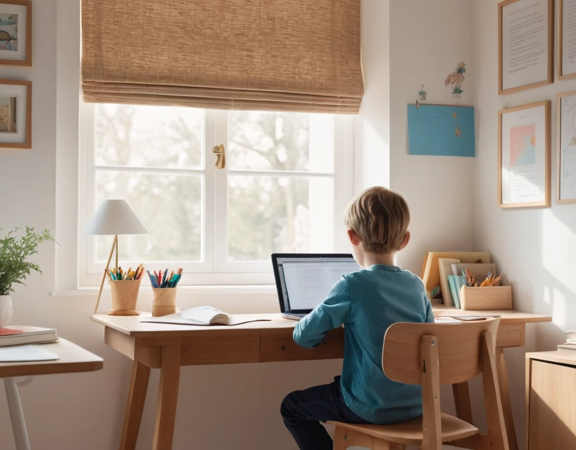
Environment matters more than you think. A noisy or messy space kills focus instantly. Kids need a calm and clean area to concentrate.
Choose a quiet corner with good lighting. Keep only necessary items on the desk. Remove toys, gadgets, and unnecessary books.
You can also:
- Turn off TV 📺
- Keep phones away
- Use a comfortable chair
- Add a small plant for freshness 🌿
A focused space creates a focused mind.
⏱️ Use The “Short Burst” Study Method
Long study hours don’t work for kids. Their brain gets tired fast. That’s why short study sessions are more effective.
Use the 25-5 rule:
- 25 minutes study
- 5 minutes break
Repeat this cycle 2–3 times. During breaks, let them stretch, drink water, or relax.
This method keeps their mind fresh and improves retention. It also makes homework feel less overwhelming.
🎯 Set Clear And Small Goals
Big tasks feel scary. Kids avoid them because they don’t know where to start. Breaking homework into small goals makes it manageable.
Instead of saying:
👉 “Finish all homework”
Say:
👉 “Complete 2 math problems first”
Small wins build confidence. When kids achieve goals, they feel motivated to continue.
📊 Track Progress With Simple Rewards
Rewards don’t mean bribing. It’s about motivation. Kids love recognition for effort.
You can create a reward chart like this:
| Task Completed | Reward |
| Finish homework daily | Extra playtime |
| No distractions | Favorite snack |
| Weekly consistency | Movie night 🎬 |
Keep rewards simple and meaningful. Praise matters more than prizes.
🧩 Make Homework Fun And Interactive
Homework doesn’t have to be boring. You can turn it into a game or challenge.
Try these ideas:
- Use colorful pens ✏️
- Turn math into a quiz
- Use flashcards for memory
- Add a timer challenge
When learning feels fun, kids naturally stay focused longer.
🗣️ Encourage Open Communication
Sometimes kids don’t say what’s bothering them. They might feel shy or scared. This affects focus.
Create a safe space where they can talk freely. Ask questions like:
- “Was anything hard today?”
- “Do you need help?”
Listening builds trust. When kids feel supported, they focus better.
📵 Limit Screen Time Before Homework
Screens reduce attention span. If kids use phones or watch TV before homework, their brain stays distracted.
Set a rule:
👉 No screens at least 30 minutes before study time
This helps the brain reset and improves concentration.
😴 Ensure Proper Sleep And Nutrition
A tired child cannot focus. Sleep and food directly affect brain function.
Make sure your child:
- Sleeps 8–10 hours daily 😴
- Eats healthy meals 🥗
- Drinks enough water
Avoid sugary snacks before homework. They cause energy crashes.
👨👩👧 Be Involved But Not Overbearing
Your presence matters. But too much control can stress kids. Balance is key.
Sit nearby while they study. Offer help only when needed. Avoid constant checking or pressure.
Say things like:
👉 “I’m here if you need help.”
This builds independence and confidence.
🔄 Teach Time Management Skills
Kids often don’t know how to manage time. Teaching this skill helps them stay focused.
Use simple techniques:
- Prioritize tasks
- Use a timer
- Plan homework order
Start with the hardest subject first. This uses maximum energy effectively.
💡 Use Positive Reinforcement
Negative words reduce motivation. Positive words boost confidence.
Instead of:
❌ “You’re too slow”
Say:
✅ “You’re improving every day!”
Encouragement makes kids believe in themselves. And belief improves focus.
🎵 Try Background Music (If It Helps)
Some kids focus better with soft music. It reduces boredom and improves mood.
Use:
- Instrumental music 🎶
- Nature sounds
- Low-volume background noise
Avoid songs with lyrics. They can distract more than help.
🧘 Teach Simple Focus Techniques
Kids can learn basic focus skills easily. These techniques improve attention naturally.
Try:
- Deep breathing
- 5-minute meditation
- Stretching breaks
Even small habits like these make a big difference over time.
📚 Build Strong Study Habits Early
Good habits stay for life. Start teaching them early.
Focus on:
- Daily routine
- Organized notes
- Regular revision
Consistency is more important than perfection. Small daily efforts lead to big results.
🚫 Avoid Comparing With Other Kids
Comparison hurts confidence. Every child learns differently.
Instead of comparing, focus on progress. Celebrate improvements, no matter how small.
A confident child is a focused child.
👀 Recognize Signs Of Deeper Issues
Sometimes lack of focus is not normal. It could be learning difficulties or attention issues.
Watch for signs like:
- Extreme distraction
- Constant frustration
- Avoiding schoolwork
If needed, consult a teacher or expert. Early help makes a big difference.
✅ Conclusion
Helping your child focus on homework doesn’t require strict rules or pressure. It’s about creating the right environment, building simple routines, and offering support with patience. Small changes like reducing distractions, setting clear goals, and encouraging effort can transform homework time into a smoother, stress-free experience. Stay consistent, stay positive, and your child will naturally improve focus and confidence.
❓ FAQs
How to help child focus on homework without yelling?
Stay calm and use a routine. Break tasks into small steps. Encourage instead of forcing.
Why does my child get distracted easily while studying?
Distractions, lack of interest, or tiredness are common reasons. Check environment and energy levels. Fixing these helps improve focus.
What is the best study time for kids at home?
It depends on the child. Most kids focus better after a short break post-school. Consistency matters more than timing.
How long should a child focus on homework?
Use short sessions like 20–30 minutes. Add breaks in between. This keeps the brain fresh and active.
How to motivate a lazy child to do homework?
Use rewards, praise effort, and make tasks fun. Avoid pressure and comparisons. Motivation grows with small wins.